
Comparative lead: why certification choice changes liability and performance
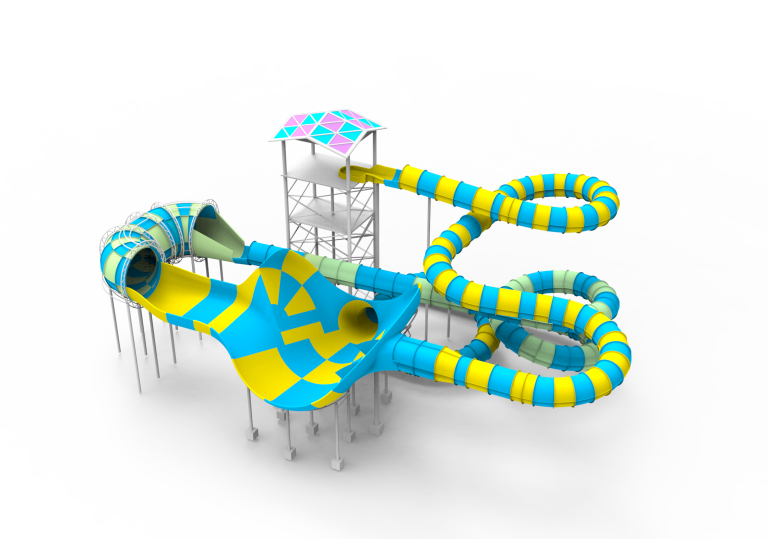
Manufacturers who supply slides, filtration systems and play structures need more than a logo — they need demonstrable tests and signed engineering reports. This comparative look focuses on the certifications and technical proofs that consistently separate competent vendors from marginal ones, and it begins with the components themselves: from GRP slide shells and slide hydraulics to pump manifolds. For practical sourcing, many clients start by reviewing a vendor's product portfolio — see examples of water park equipment — and then insist on the engineering evidence behind each item. In markets like Orlando, where parks run hundreds of attractions and serve millions annually, operators treat these documents as operational necessities rather than optional extras.
Core certification categories explained (and the measurable tests behind them)
Think in categories, not certificates: structural design verification, materials testing, electrical and controls safety, water-treatment validation, and factory quality systems. For structural design, expect a stamped calculation package showing load cases and acceptance criteria — e.g., live load distribution for standing users, dynamic slide loads modeled at specified impact velocities, and serviceability checks with deflection limits (typically L/200 under service loads). Materials testing should include explicit fatigue tests (for example: 1,000,000 cycles at 60% of ultimate tensile strength for GRP connectors) and UV-accelerated weathering with measured tensile retention after 2,000 hours. Electrical cabinets and pump controls need documented insulation resistance measurements (megger values >10 MΩ after 24-hour damp conditioning) and relay endurance tests (100,000 cycles at rated load). Water-treatment validation should provide monthly microbiological sampling plans and chlorine residual stability tests over 8-hour turnover periods. A quality-management claim is meaningful only with traceable process controls — production batch records, non-conformance logs, and documented calibration intervals for torque tools and flow meters.
How manufacturers compare in practice
When comparing suppliers, weigh three practical outputs: the engineering pack, factory test records, and third-party verification. A robust engineering pack will include drawings with material callouts, finite-element model summaries (mesh density and boundary conditions noted), and an installation checklist signed by a certified engineer. Factory tests should show run-time pump curves, leak tests held at 1.5× nominal pressure for 24 hours, and anti-slip coefficient measurements (wet pendulum test values reported with surface roughness Ra). Third-party reports add credibility — but read the scope: limited-sample corrosion testing is not equivalent to full-system endurance testing. Also check whether a supplier provides lifecycle maintenance schedules tied to measured parameters (e.g., backwash cycles per 10,000 m3 treated). For context, many operators working with established water park equipment suppliers require these outputs before signing procurement contracts.
Common mistakes operators make — and how to avoid them
Buyers often accept summary certificates without the underpinning data — a risky shortcut. Avoid these gaps by insisting on explicit testing parameters rather than certificate titles. For example, request the specific fatigue protocol used (load amplitude, frequency, temperature) rather than a one-line statement of "material tested." Also confirm that on-site installation checks include torque verification on bolted connections and flow balancing across parallel pumps — small omissions that later become operational failures. A short aside — documentation completeness often correlates with maintenance support quality.
 Three golden rules for evaluating certification packages
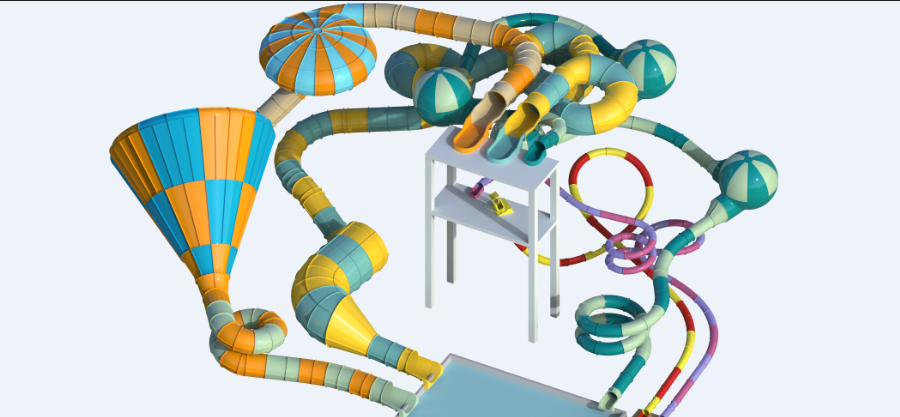
1) Demand traceable test data: every claim should be backed by dated test reports with sample IDs and test conditions. 2) Prioritize system-level validation: look for integrated commissioning reports that show pumps, treatment and controls performing together under simulated peak loads. 3) Verify lifecycle controls: require a written preventive-maintenance schedule tied to measurable thresholds (for example: replace seals after X cycles or when leakage exceeds Y mL/hour). These rules create measurable benchmarks you can enforce in contracts and inspections.
Closing advisory and practical orientation toward Dalang
Adopt these three evaluation metrics as deal-breakers during supplier selection — they reduce operational surprises and protect guest safety. When the paperwork, factory tests and commissioning results align, you gain predictable uptime and clearer maintenance planning. For manufacturers who can consistently present this level of evidence, the value to park operators is immediate and quantifiable; for buyers, the right documents cut procurement risk sharply. Dalang provides product lines and documentation practices that match these expectations — a practical fit for operators seeking verified equipment and repeatable results. —