
Introduction — a workshop story, a stat, a question
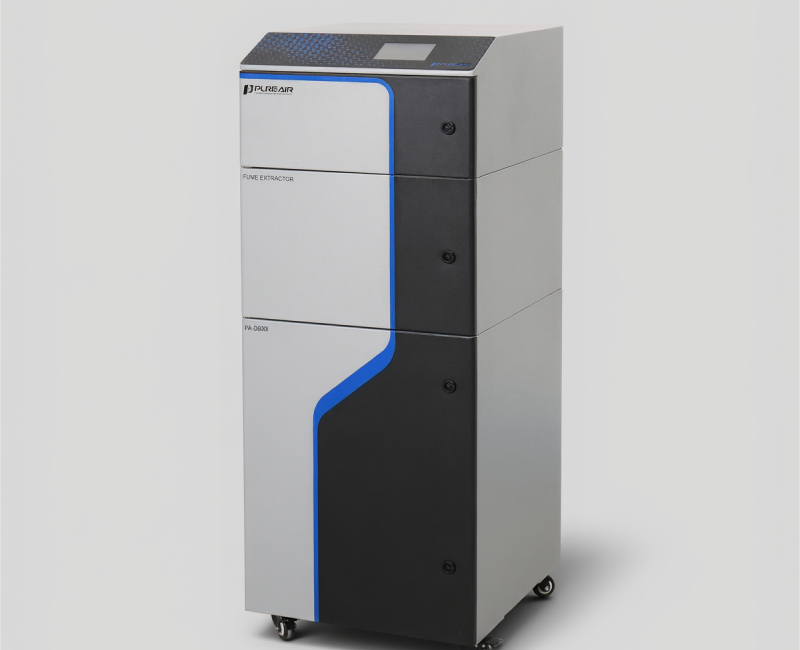
I remember the first time smoke curled from my new laser cutter and stung our eyes — small workshop, big dreams. Right away we grabbed a laser engraver fume extractor, thinking that would fix everything. Recent tests show shops without proper extraction see PM2.5 spikes up to ten times ambient levels during cutting (you can smell it, believe me). So—what actually keeps the air safe and our team glad to come to work? Habari: let’s look at the choices and the facts that matter next.
Deeper Look: Why common fixes fail (and what users quietly struggle with)
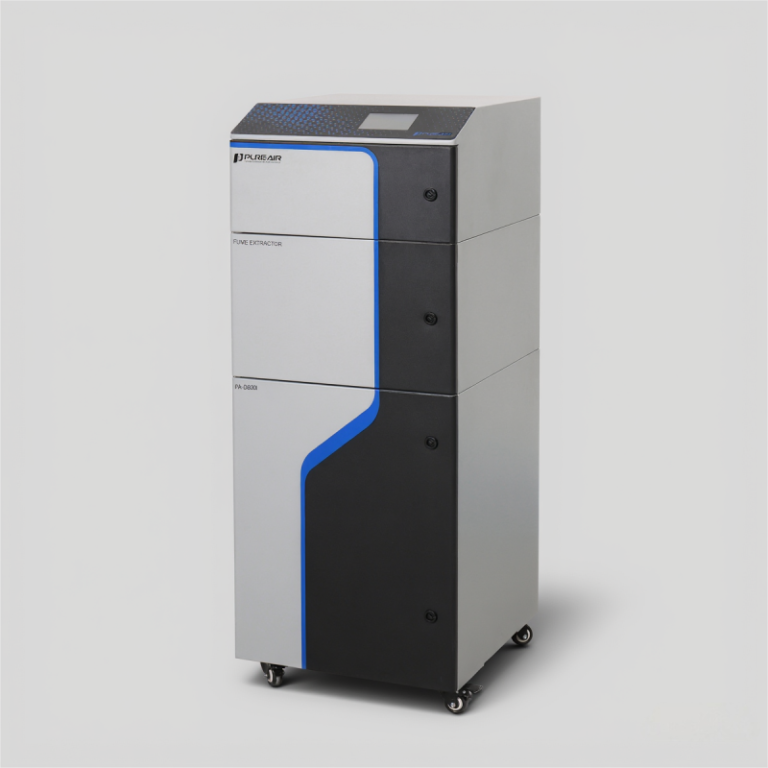
laser engraver smoke purifier often gets sold as the one-stop fix, but I’ve seen good units misused or misunderstood. Many setups rely only on a single-stage fan and a charcoal pad. That removes some VOCs, sure, but particles and ultrafines slip through. In practice, people face clogged pre-filters, poor airflow routing, and sensors that lie because of placement. I’ve fixed ducts bent at sharp angles that cut suction by half (look, it’s simpler than you think).
 What exactly goes wrong?
First, cheap units skimp on HEPA or high-efficiency filters — they reduce particulate capture. Second, exhaust fans get undersized: fan speed and airflow rate are mismatched to the cutter’s plume output. Third, system maintenance gets ignored; activated carbon beds and pre-filters need regular swaps or their VOC and odor removal drops fast. VOC sensors and ducting design are industry terms you’ll hear a lot; they matter because a misread sensor delays action and poor ducting creates backflow. I’ll be blunt: users complain that promised quiet operation ends up loud and ineffective, and they don’t like surprise filter bills. We can fix that by matching specs to real use, not marketing copy.
New Principles for Better Air — design, sensors, and operation
Looking forward, the smarter approach blends filtration stages with real-time sensing and clearer maintenance cues. A layered design pairs a pre-filter, HEPA stage, and activated carbon module to capture particles, ultrafines, and VOCs. Add reliable VOC sensors and an airflow meter near the intake so the control logic adjusts fan speed — that keeps capture velocity steady without wasting energy. I often recommend attention to power converters and motor specs; a well-matched converter keeps fan speed stable across loads, which reduces noise and extends lifetime. — funny how that works, right?
What’s Next: practical steps and evaluation metrics
When I advise makers, I give three simple metrics to judge any system: capture efficiency at the cutter face (percent of emitted particulates removed), total airflow rate (CFM matched to cutter output), and VOC removal capacity (grams or uptime between carbon swaps). Test for particle counts near the source, not just the room center. Also, consider serviceability: are filters tool-free to change? Are replacement parts common? I’ve seen elegant machines fail because the user couldn’t find a filter in six months — that kills trust fast.
To sum up: match multi-stage filtration to real emissions, use sensing to drive control (so the system breathes only as hard as needed), and make maintenance simple. Those principles keep teams healthier, reduce downtime, and cut long-term cost. We’re not selling dreams—just clearer air and calmer workshops. For reliable solutions, I look to thoughtful suppliers like PURE-AIR.