

Introduction: A Small Clinic, a Big Decision
I remember walking into a modest skin clinic in Dhaka where the therapist showed me a compact device and said, “This changed our patient flow.” That casual scene matters because growing clinics now choose suppliers not just by price but by performance—this is where a reliable red light therapy manufacturer comes in. Recent market figures show demand for photobiomodulation devices is rising by double digits in several regions, and many clinics face long lead times and inconsistent product specs (yes, even here). So—what should a practice leader actually look for when picking a partner: cost, technical support, or something subtler? Let’s step through a practical, team-focused way to answer that question and make procurement less of a gamble. This will lead us straight into the common flaws that trips teams up.
Part 2 — Where Most Choices Fall Short: Technical Flaws and User Pain (deep dive)
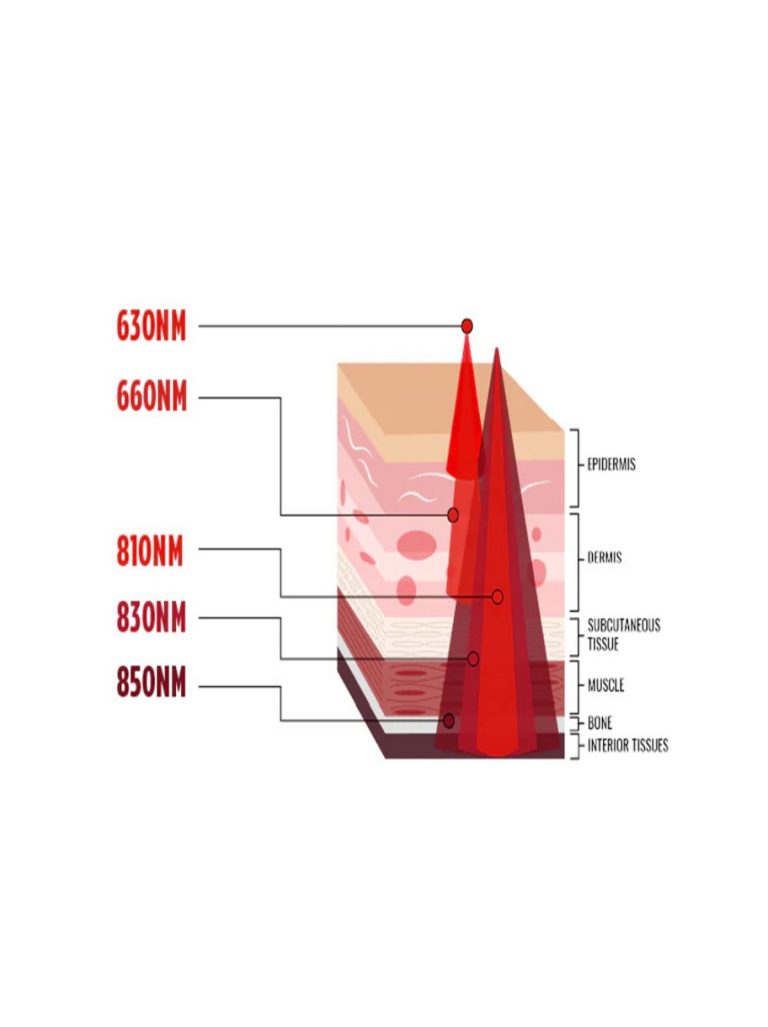
red light manufacturers often promise turnkey devices, but I’ve seen three recurring technical weak points that quietly undermine outcomes: inconsistent wavelength consistency, poor thermal management, and weak driver ICs. When these problems show up, clinicians notice slightly faded results, lower session-to-session reproducibility, and frustrating downtime. From a technical angle, wavelength drift means the intended photobiomodulation effect can be reduced; poor thermal management shortens LED lifetime and raises maintenance costs; and cheap driver ICs create flicker or unstable current—bad for dose control. Look, it’s simpler than you think: measure the output and demand specs that match your protocol. (We tested several units ourselves.)
Why do teams still buy faulty units?
Part of it is salesmanship: glossy brochures hide variation in beam angle and irradiance. Another part is procurement pressure—prices look attractive but don’t include service intervals or power converters that meet local voltage norms. I’d urge teams to request datasheets, sample runtimes, and thermal profiles. Ask for test reports showing consistent LEDs output across batches; insist on driver IC specifications and clarity about warranty response times. — funny how simple questions often get overlooked, right?
 Part 3 — Principles for Smarter Procurement and Future-Proofing
Looking ahead, I prefer to evaluate suppliers by three new-technology principles: measurable dosimetry, modular thermal design, and transparent supply-chain traceability. When red light manufacturers (yes, again: red light manufacturers) adopt sensor-backed dosimetry, you can log exact energy delivered per session — that makes clinical audits easier. Modular thermal design lets teams replace heat sinks or fans without swapping the whole head, reducing downtime. Supply-chain traceability means you can verify LEDs, power converters and driver ICs are genuine and batch-tested.
What’s the practical upside?
First, consistent clinical outcomes: when irradiance and wavelength are stable, protocols work as intended. Second, lower operating costs: proper thermal management extends LED lifetime and reduces warranty claims. Third, operational resilience: transparent sourcing reduces the risk of sudden part shortages. For teams, the metrics to weigh are simple — uptime percentage, measured irradiance variance, and average time-to-repair. I’d add one practical note: demand sample reports and run a short internal pilot before large orders — it pays back. — unexpected, but true.
Conclusion: Three Metrics I Trust When Choosing a Supplier
We’ve walked from a clinic anecdote to exact technical weak spots and then forward to principles that actually matter. To close, here are three evaluation metrics I use and recommend to teams: 1) Measured output stability — check irradiance and wavelength variance over 100+ hours; 2) Service responsiveness — average time-to-repair and availability of spare modules; 3) Component transparency — proof of LEDs, power converters and driver IC origin plus batch test data. These give you measurable confidence rather than marketing words. If you keep these habits, procurement becomes a team strength, not a recurring headache. Finally, if you want a practical partner that understands these needs, consider what companies like Magique Power present in their technical packs — I find that clarity is often the best signal of reliability.