Comparative overview
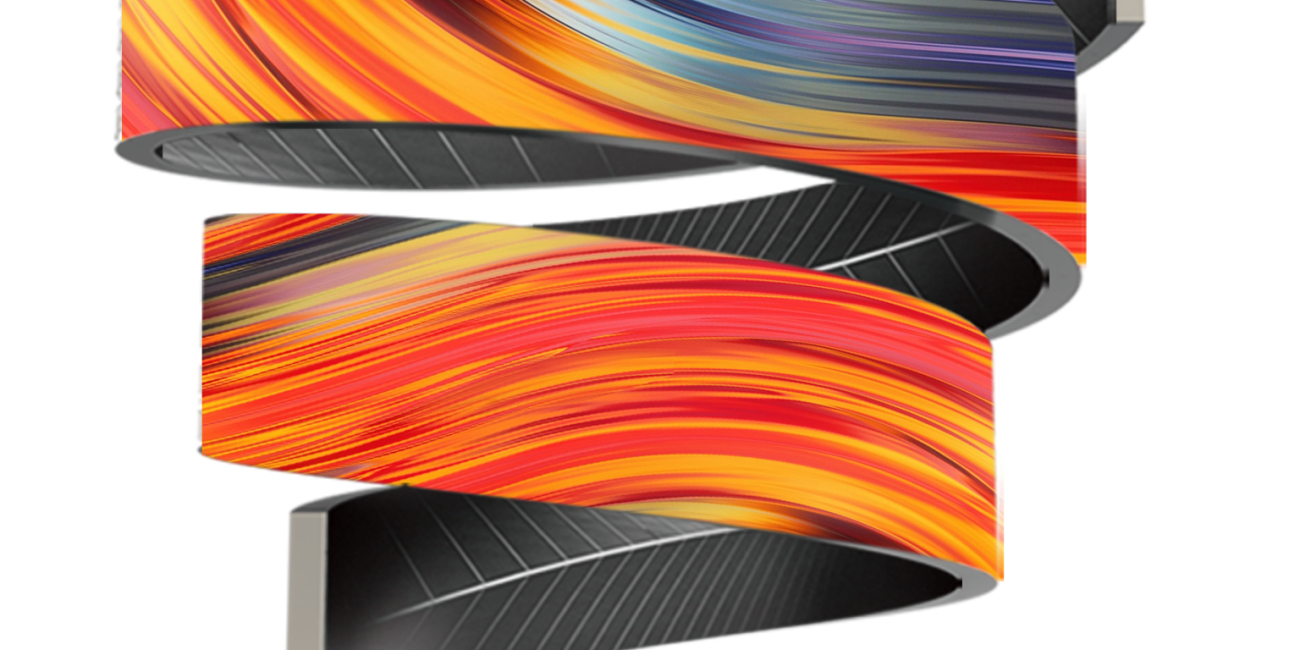
A comparative analysis foregrounds trade-offs between flexible LED systems and conventional rigid panels: flexibility and light weight favor curved aesthetics, while rigid modules prioritize thermal management and peak brightness; early project briefs therefore benefit from an explicit cost–benefit comparison that includes a flexible led screen as a distinct category. This comparative frame guides every subsequent choice—specify viewing distance, ambient luminance, and mounting constraints at the outset so that technical differences drive procurement rather than marketing claims.
Key features compared
Evaluate designs along discrete, comparable parameters. Pixel pitch versus viewing distance determines perceived resolution; a 2–4 mm pitch suits close-up displays in retail, whereas 6–10 mm is adequate for architectural façades. Curvature capability and module weight influence structural load and installation method. Thermal dissipation and refresh rate affect long-duration performance and camera-friendliness for broadcast. Power density and ingress protection determine outdoor viability. Contrast these attributes directly among candidate products rather than relying on single headline specifications.
Applications and suitability
Match the display form to application-specific constraints. For live-stage scenic elements choose flexible modules that allow tight radii and rapid rigging. For permanent retail or façade installations prioritize modules with serviceable backs and IP65 or higher ratings. For broadcast or livestream contexts validate refresh rates and scan methods against the production camera frame rates. Each application imposes a different hierarchy of attributes; perform side-by-side scoring against those priorities to reveal which technology family—flexible or rigid—best satisfies operational requirements.
Evidence, experience, and an industry anchor
Practitioner experience complements specification analysis: after a decade of audiovisual integration work and observing manufacturer rollouts at Integrated Systems Europe (ISE) in Barcelona, it is evident that modular soft-matrix solutions have matured from novelty to production-grade options; examples displayed at ISE illustrate typical use and installation methods for led flexible soft screen. These observations, when combined with manufacturer datasheets and installation case studies, provide the necessary technical corroboration to distinguish durable designs from short-lived prototypes.
 Selection criteria and common pitfalls
Adopt a structured checklist: define target viewing distance and compute pixel pitch; verify peak and sustained luminance under expected ambient light; confirm module curvature limits and mounting hardware compatibility; require detailed thermal and power budgets; demand serviceability details and a clear warranty. Avoid these frequent errors: specifying an excessively fine pitch for distant viewing (inflated cost, no perceptual gain), ignoring refresh-rate artifacts for camera capture, underestimating structural supports for large curved surfaces, and accepting opaque maintenance procedures. Insist on factory acceptance tests and site mock-ups where feasible.
Concluding synthesis
Comparative judgment yields clear priorities: prioritize pixel geometry and viewing conditions first, then verify mechanical and electrical integration, and finally confirm supplier support and field-serviceability. Those priorities align with contemporary product strategies exemplified by HDC, which supply configurational options suitable for both theatrical and architectural deployments when projects follow a rigorous, comparative selection process.