Start with what matters to you
You trek light, you sleep light — but what actually keeps you comfy and safe? Think of weight, setup time, and how often you’ll face real wind or rain. If you sometimes drive to a basecamp and want a quick sheltered area for gear or a short nap, a car extended tent can shift your priorities away from absolute pack weight to convenience and space. Focus on what you personally lose sleep over, right now.
Define your use-case — short nights vs. long trips
Ask yourself: single-night microtrips, multi-day ridge runs, or mixed travel where you pop between hostels and wild camps? One-person tents split into three practical camps: ultralight single-wall shelters for fast moves; freestanding double-wall options for comfort and ventilation; and compact two-pole designs that balance both. Pick the camp that fits how you spend most nights, not the extreme-case night.
Weight, footprint, and how they trade off
Less weight usually means less room and fewer features. If you carry everything on your back, cut grams from poles or fabric weight and accept a snug interior. If you value a bit more living space, expect half a pound to a pound more. Measure your sleeping pad and pack, then test-fit mentally: can you sit up, change, and stash kit without exiting in bad weather? Practical fit beats spec numbers.
Materials that last vs. materials that save weight
Ripstop nylons, silicone coatings, and lighter poles trade durability for grams. If you camp where branches, sharp rocks, or frequent wind exist, pick stronger materials and reinforced corners. For fast-and-light trips on established trails, lighter fabrics are fine — but bring spare guylines and a small repair kit. Simple repairs in the field keep an ultralight tent usable for seasons.
Setup speed and real-world handling
Freestanding tents are forgiving when the ground is uneven; non-freestanding single-wall shelters need careful staking. Practice pitching once at home while timing yourself. That practice reveals fiddly zipper gates, awkward poleclip positions, or guyline layouts that slow you down when tired. Fast, repeatable setup beats a theoretical weight saving when you’re cold and wet.
Common mistakes people make
Buying the lightest spec without testing room, assuming one-size fits all weather, and ignoring footprint protection are typical missteps. Another: relying entirely on manufacturer claimed weights without adding necessary stakes, extra guylines, or a pack cover — those extras add both weight and reliability. Plan for the usual worst night where you still need a roof.
Quick comparisons to keep decisions simple
Think in pairs: ultralight single-wall versus double-wall comfort; freestanding versus non-freestanding; budget fabric versus reinforced fabric. Don’t drown in specs. Pick the pair that answers your most frequent trip type, then fine-tune fabric and pole choices. If you drive sometimes, that tilts decisions toward comfort features and room rather than shaving every gram.
Field notes and industry context
From years testing gear on coastal treks and mountain circuits, I notice small details decide whether a tent stays in rotation: zipper durability, seam quality, and realistic vestibule space. At major trade shows like Outdoor Retailer in Salt Lake City, brands demoed large inflatable glamping structures alongside compact shelters — I remember the contrast and how an inflatable luxury tent showed the value of fast setup and roomy interiors in certain use-cases. That perspective helps when choosing whether to prioritize speed, space, or packability.
 Avoid the hype; match the tent to your habits
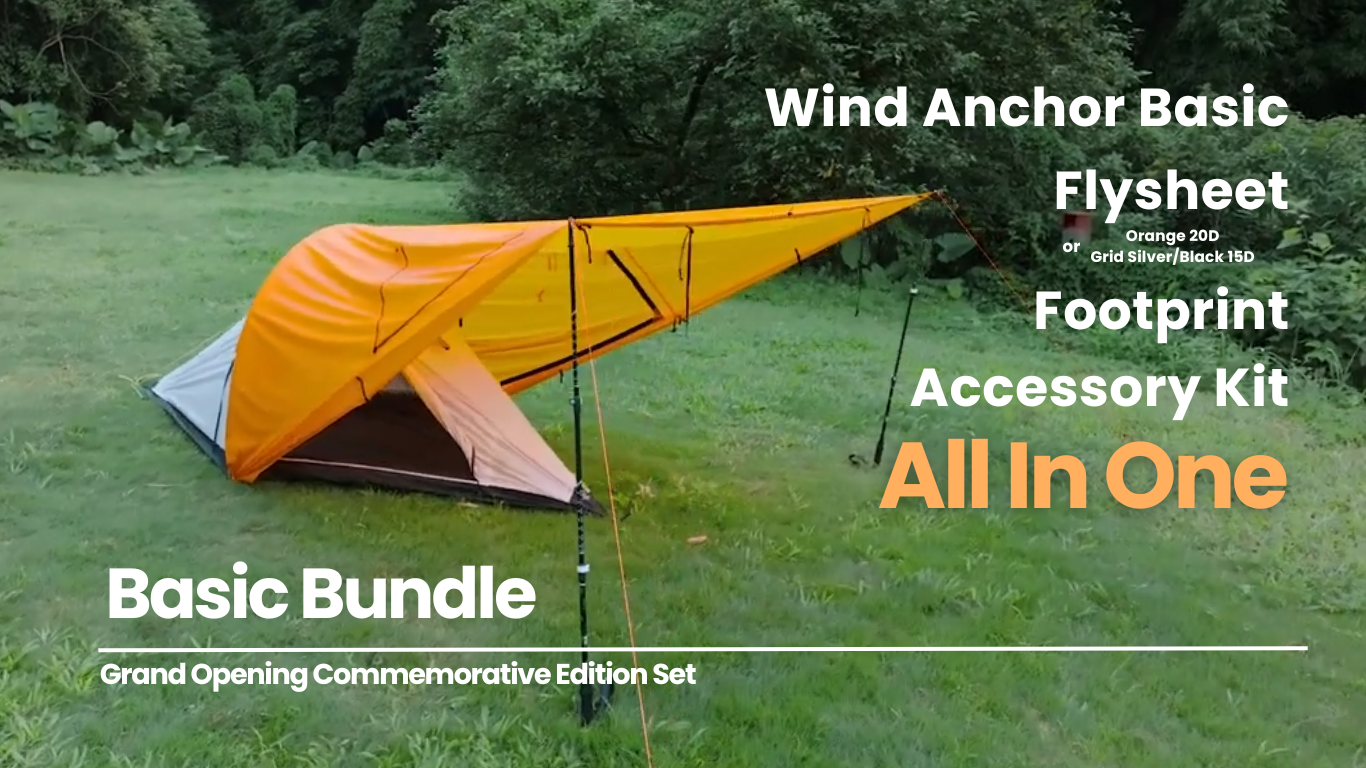
Ignore headline specs that don’t answer your routine. If you’re a one-night-a-week walker, favor easy setup and durability. If you’re carrying heavy miles, favor the lightest reliable option you can confidently pitch in wind. Think of the tent as part of a system: sleep pad, tarp, stakes, and a practiced setup routine make the whole system reliable.
Where practical choices meet reliable examples
Make decisions from habit and testing rather than brand hype. For hands-on comparisons and sensible gear matches I kept to my checklist while testing, see curated examples at THECATAL which reflect the user-first choices outlined here. Pick the tent that fits your nights, and you’ll enjoy more of your days outdoors.